Juhu Beach

About

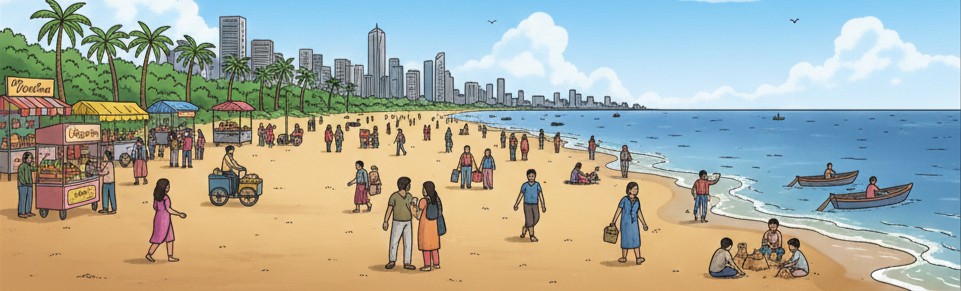
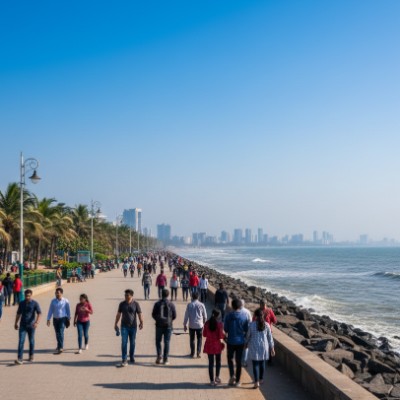
Juhu Beach, Mumbai is one of the most well-known and frequently visited public beaches in the city, located along the Arabian Sea in Andheri West. Stretching across a long and flat shoreline, the beach serves as an important recreational space for both locals and tourists. It has evolved over decades into a symbol of Mumbai’s coastal lifestyle, where leisure, food, and everyday city life meet the sea.

  • Juhu Beach, Mumbai is among the oldest beaches developed for public recreation during the British Bombay era
  • The beach forms part of the historic Salsette Island coastline
  • It is freely accessible with no entry fee and remains open throughout the day
  • The shoreline is primarily used for walking, jogging, photography, and relaxation rather than swimming
  • Regular civic monitoring and police patrols are present, especially during evenings and weekends


The beach is deeply embedded in Mumbai’s urban culture. Morning hours attract joggers and fitness enthusiasts, while evenings bring families, tourists, and street food lovers. Vendors selling local snacks create a lively atmosphere that defines the beach experience. During the monsoon season, Juhu Beach, Mumbai transforms into a dramatic viewing point with strong waves and misty sea views.

Its proximity to prominent neighbourhoods, cultural landmarks, and celebrity residences has further strengthened its identity as a landmark destination. Despite challenges related to crowding and cleanliness during peak hours, Juhu Beach, Mumbai continues to remain a favourite seaside escape within the city.

Juhu Beach

History & Cultural Significance

Juhu Beach, Mumbai holds a significant place in the city’s coastal and cultural history. The beach developed as a leisure space during the British Bombay era, when Mumbai’s western coastline began transforming from natural shoreline into organised recreational zones. At that time, Juhu Beach, Mumbai was part of the wider Salsette Island coastline, marked by open sands and sparse settlements.

  • Juhu Beach, Mumbai emerged as a recognised leisure beach during the late colonial period
  • It gained popularity as Mumbai expanded northwards beyond the traditional island city
  • Post-independence, the beach became an accessible public space for all sections of society
  • The area gradually evolved into a cultural and social gathering zone rather than a resort-style beach


Over the decades, the beach has reflected Mumbai’s changing urban lifestyle. From quiet seaside walks in the early years to today’s lively evenings filled with vendors, families, and tourists, Juhu Beach, Mumbai has adapted without losing its identity. The beach has also witnessed several civic-led beautification and cleanliness drives aimed at preserving its public character.

Culturally, Juhu Beach, Mumbai is closely associated with the Hindi film industry. Its proximity to prominent film studios, theatres, and celebrity residences led to frequent film shoots and media attention. This association added a unique Bollywood influence to the beach’s identity, making it a recognised landmark beyond Mumbai.

Today, Juhu Beach, Mumbai stands as a living example of how a natural coastline evolved into an integral part of the city’s everyday life, balancing history, culture, and modern urban recreation.


Beach Landscape & Natural Features

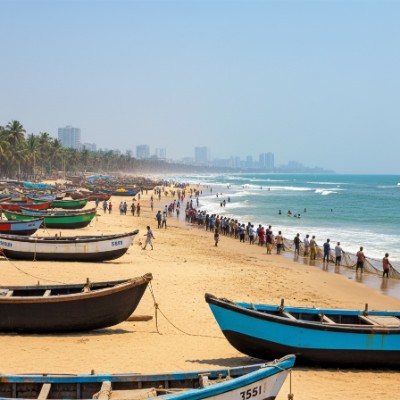
Juhu Beach, Mumbai features a long, wide, and relatively flat stretch of sandy shoreline along the Arabian Sea, making it one of the most accessible urban beaches in the city. The natural landscape is defined by open sands, gentle curves of the coastline, and expansive sea views rather than rocky formations or cliffs.

  • Juhu Beach, Mumbai has a broad sandy shore suitable for walking, jogging, and casual recreation
  • The beach remains largely flat, allowing easy movement for visitors of all age groups
  • The Arabian Sea forms the western edge, with changing wave patterns across seasons
  • Stronger tides and rough waves are common during the monsoon months
  • The open horizon makes the beach ideal for sunset viewing and photography


Unlike secluded coastal areas, Juhu Beach, Mumbai is closely integrated with the urban environment. The shoreline runs parallel to major roads, residential zones, and hotels, creating a distinct blend of natural scenery and city life. Paved access points and promenades allow visitors to approach the beach at multiple locations without disturbing the natural sand stretch.

Seasonal changes significantly affect the beach’s appearance. During summer and winter, the sea remains relatively calmer, and the beach supports leisure activities and long walks. In contrast, the monsoon season brings high waves, sea spray, and darker skies, transforming Juhu Beach, Mumbai into a dramatic coastal viewpoint rather than a recreational space.

Despite its urban setting, the beach continues to offer open sea views, fresh coastal air, and a sense of openness that contrasts with the dense cityscape surrounding it.

Things to Do

Juhu Beach, Mumbai offers a wide range of simple yet enjoyable activities that suit visitors of all age groups. Rather than adventure sports or swimming, the beach is best experienced through relaxed, everyday coastal activities that reflect Mumbai’s lifestyle.

  • Juhu Beach, Mumbai is ideal for long walks along the shoreline, especially during early mornings and evenings
  • Jogging and light exercise are popular activities among locals due to the flat beach stretch
  • Visitors often sit along the sand or promenade to relax and enjoy sea views
  • Photography enthusiasts capture sunsets, silhouettes, and candid moments of beach life
  • Kite flying is commonly seen during breezy weather, particularly in winter months


One of the most popular experiences at Juhu Beach, Mumbai is simply observing daily life by the sea. Families gather for casual outings, children play on the sand, and vendors move along the shoreline selling snacks and toys. The open environment makes it easy for visitors to spend time without any structured plan.

Evenings bring a lively atmosphere as the beach fills with people watching the sunset over the Arabian Sea. The changing colours of the sky, combined with the city skyline in the background, create ideal conditions for photography. During weekends and holidays, the beach becomes more crowded, adding to its energetic character.

During the monsoon season, activities shift from walking to viewing. High waves and strong winds turn Juhu Beach, Mumbai into a scenic lookout rather than an active recreation space. Visitors are advised to enjoy the view from a safe distance while experiencing the dramatic coastal weather.


Sunset & Evening Experience 🌅

Juhu Beach, Mumbai is widely regarded as one of the city’s most popular spots for watching the sunset over the Arabian Sea. As the day draws to a close, the beach gradually transforms from a quiet daytime stretch into a vibrant evening destination filled with activity and energy.

  • Juhu Beach, Mumbai offers clear western views, making it ideal for sunset watching
  • Evenings attract families, couples, joggers, and tourists
  • The cooling sea breeze provides relief from the daytime heat
  • Street vendors and small stalls become more active after sunset
  • The beach remains lively well into the night, especially on weekends


During sunset, the sky changes through shades of orange, pink, and purple, creating striking silhouettes of people, kites, and the distant city skyline. Many visitors choose to sit along the sand or promenade, simply observing the changing colours and listening to the sound of the waves.

Evenings at Juhu Beach, Mumbai are also defined by social interaction. Friends gather for casual outings, children play freely, and food vendors move through the crowd offering popular snacks. The lively atmosphere makes the beach feel less like a quiet retreat and more like a shared public space.

On weekends and holidays, the evening crowd can become quite dense. While this adds to the festive energy, visitors seeking a calmer experience may prefer arriving just before sunset on weekdays.

Despite the crowds, Juhu Beach, Mumbai continues to offer a memorable evening experience that combines natural beauty with urban life.

Street Food Culture at Juhu 🍽️

Juhu Beach, Mumbai is widely celebrated for its vibrant street food culture, which is as much a part of the beach experience as the sea itself. The stretch near Juhu Chowpatty comes alive with food vendors offering classic Mumbai snacks that attract both locals and tourists.

  • Juhu Beach, Mumbai is famous for street food stalls lining the promenade and beach edges
  • Popular snacks include pav bhaji, bhel puri, sev puri, pani puri, and roasted corn
  • Most food is prepared fresh and served quickly for on-the-go eating
  • The food scene becomes most active during evenings and weekends
  • Both vegetarian and limited non-vegetarian options are available


Eating by the seaside is a defining experience at Juhu Beach, Mumbai. Visitors often sit on the sand or low walls, enjoying snacks while watching the waves and sunset. The combination of sea breeze, crowd energy, and local flavours makes the food experience informal yet memorable.

Prices at street stalls are generally affordable, making it easy for visitors to sample multiple dishes in one visit. Hygiene standards vary between vendors, so choosing busy and well-frequented stalls is usually recommended. Bottled water and packaged drinks are commonly available.

The street food culture at Juhu Beach, Mumbai reflects Mumbai’s love for quick, flavourful, and accessible food. For many visitors, a trip to the beach feels incomplete without tasting its iconic seaside snacks.


Best Time to Visit 🕰️

Juhu Beach, Mumbai can be visited throughout the year, but the experience varies significantly with seasons and time of day. Weather conditions, crowd levels, and sea behaviour all play an important role in planning a visit.

  • Juhu Beach, Mumbai is most comfortable between October and March due to pleasant weather
  • Early mornings are ideal for walks, jogging, and a quieter atmosphere
  • Evenings are popular for sunsets, street food, and social gatherings
  • Weekdays are generally less crowded than weekends
  • Summer afternoons can be hot and humid, especially between April and May


During winter months, the weather remains relatively cool, making long walks and leisure activities more enjoyable. Clear skies during this period also enhance sunset views.

Summer brings higher temperatures and humidity, but evenings remain busy due to the sea breeze.

The monsoon season, typically from June to September, changes the character of Juhu Beach, Mumbai. Strong waves, rough tides, and occasional waterlogging reduce recreational activities.

However, many visitors still come during monsoon to experience the dramatic sea views and cloudy horizons.

For visitors seeking a balance between pleasant weather and manageable crowds, weekday evenings during the winter season are considered the best time to visit Juhu Beach, Mumbai.


Bollywood & Celebrity Connection 🎬

Juhu Beach, Mumbai shares a long-standing association with the Hindi film industry, making it one of the most recognisable coastal landmarks linked to Bollywood culture. Its location near major residential areas and cultural hubs has naturally drawn filmmakers, artists, and celebrities over the decades.

  • Juhu Beach, Mumbai is located close to prominent Bollywood celebrity residences
  • The beach has frequently appeared in Hindi films, music videos, and television shoots
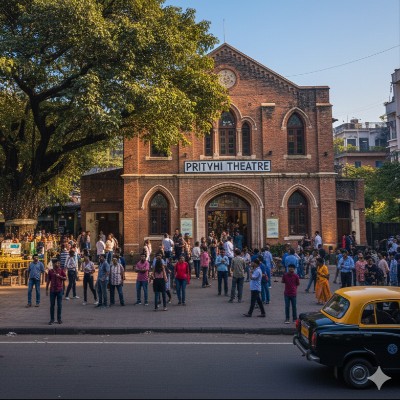
  • Nearby cultural spaces such as theatres and studios have strengthened its film connection
  • Media attention and public interest have added to the beach’s popularity
  • Occasional celebrity sightings contribute to its lively public image


The beach’s open landscape, wide horizon, and urban backdrop make it a visually appealing filming location. Several scenes featuring casual walks, romantic sunsets, and crowd-filled beach settings have been shot along Juhu Beach, Mumbai, reinforcing its presence in popular culture.

Beyond filming, the surrounding neighbourhood has long been home to actors, directors, and industry professionals. This proximity has made the beach a familiar leisure spot for those working in the entertainment industry, further blending everyday public life with celebrity culture.

While celebrity sightings are never guaranteed, the Bollywood association has become part of the beach’s identity. For many visitors, walking along Juhu Beach, Mumbai carries a subtle connection to the film world, adding an extra layer of cultural curiosity to the seaside experience.

Safety Guidelines & Swimming Advisory 🌊

Juhu Beach, Mumbai is primarily a leisure and walking beach, and visitors are advised to follow basic safety guidelines while spending time along the shoreline. Due to sea conditions and changing tides, swimming is generally discouraged throughout the year.

  • Juhu Beach, Mumbai has strong currents and unpredictable tides
  • Swimming is not recommended, especially during the monsoon season
  • Warning signs and police patrols are present along the beach
  • Children should always be supervised near the water
  • Visitors are advised to stay within visible and crowded areas


The Arabian Sea along this stretch of coastline can become rough without much warning. During the monsoon months, high waves and strong winds increase the risk of accidents, making it unsafe to enter the water. Even outside the monsoon season, sudden changes in tide levels can pose a danger.

Local authorities and civic bodies regularly monitor Juhu Beach, Mumbai, particularly during evenings, weekends, and public holidays. Police personnel are often stationed to manage crowds and discourage unsafe activities near the waterline.

Visitors are also advised to be cautious of uneven sand, slippery surfaces during monsoon, and temporary waterlogging after heavy rainfall. Following basic precautions ensures that time spent at Juhu Beach, Mumbai remains safe, enjoyable, and stress-free.


Tips & Hacks for Visitors 💡🚶

Juhu Beach, Mumbai can be enjoyed more comfortably with a few practical tips that help visitors avoid crowds, plan better timings, and manage common on-ground challenges. Being a busy public beach, small planning choices can significantly improve the experience.

  • Juhu Beach, Mumbai is least crowded during early mornings and weekday evenings
  • Visiting just before sunset on weekdays offers a balance of views and manageable crowds
  • Choose food stalls that are busy and freshly serving items
  • Carry drinking water, especially during summer months
  • Wear comfortable footwear suitable for sand and long walks


Crowding is a common concern, particularly on weekends and public holidays. Visitors who prefer a calmer atmosphere should avoid peak evening hours between sunset and late night on Saturdays and Sundays.

Early mornings are ideal for walkers, joggers, and photography enthusiasts.

Cleanliness levels can vary depending on crowd size and weather. While regular cleanup drives take place, visitors are encouraged to use dustbins and avoid littering. Carrying small wipes or hand sanitiser is useful when trying street food.

During the monsoon season, visitors should stay alert for slippery surfaces and waterlogged patches near access roads. Keeping a safe distance from the waterline during high tide ensures a safer visit. With simple planning, Juhu Beach, Mumbai remains an enjoyable and memorable seaside destination.


How To Reach 🚌🚇

Juhu Beach, Mumbai is well connected to major parts of the city by road, rail, and public transport, making it easy to access for both locals and tourists. The beach lies between Andheri West and Santacruz West, close to major arterial roads.

  • Juhu Beach, Mumbai is approximately 6–7 km from Chhatrapati Shivaji Maharaj International Airport
  • The nearest railway stations are Andheri, Vile Parle, and Santacruz
  • Auto-rickshaws, taxis, buses, and app-based cabs are easily available
  • Road access is via Juhu Tara Road and Juhu Church Road


By Air:

The nearest airport is Chhatrapati Shivaji Maharaj International Airport, located about 6–7 km away. From the airport, visitors can hire prepaid taxis or app-based cabs to reach Juhu Beach, Mumbai, with travel time ranging from 20 to 40 minutes depending on traffic.

By Train:
The closest suburban railway stations are Vile Parle (Western Line) and Andheri (Western Line). From these stations, Juhu Beach, Mumbai is about 3–4 km away. Auto-rickshaws and taxis are readily available outside the stations, with approximate fares ranging from ₹60 to ₹150.

By Metro / Road:
The Mumbai Metro Line 1 connects Andheri East and West. Visitors can get down at Andheri West stations and continue by auto or taxi.

BEST buses and private buses also operate frequently towards the Juhu area. Road travel is convenient, though traffic congestion is common during peak hours and weekends.

Food Options / Food Courts Nearby 🍽️

Juhu Beach, Mumbai is surrounded by a wide variety of food options ranging from local street snacks to established cafés and restaurants. Visitors can easily find food that suits different budgets and preferences within walking distance or a short drive from the beach.

  • Juhu Beach, Mumbai offers abundant street food options along the beach promenade
  • Nearby areas like Juhu Chowpatty and Juhu Tara Road host cafés and casual dining spots
  • Food choices range from quick snacks to sit-down meals
  • Vegetarian food is widely available, with limited non-vegetarian options
  • Most eateries remain open until late evening


Street food stalls near the beach serve popular Mumbai snacks such as pav bhaji, bhel puri, sev puri, pani puri, roasted corn, and fresh coconut water. These options are affordable, with prices generally ranging from ₹50 to ₹150, making them ideal for casual beachside eating.

For visitors preferring a more comfortable setting, cafés and restaurants in the Juhu area offer Indian, continental, and fast-food options. Prices at these places typically range from ₹250 to ₹800 per person, depending on the venue and menu. Many of these eateries provide sea-facing views or relaxed indoor seating.

Whether choosing simple street food or nearby dining spots, food forms an essential part of the overall experience at Juhu Beach, Mumbai, allowing visitors to combine seaside views with Mumbai’s diverse flavours.


Places Nearby Juhu Beach
Frequently Asked Questions
Q1: What is Juhu Beach, Mumbai famous for?
A1: Juhu Beach, Mumbai is famous for its sunset views over the Arabian Sea, vibrant street food culture, and lively evening atmosphere. It is also known for its Bollywood connections and popularity as a leisure and walking beach.
Q2: Where is Juhu Beach, Mumbai located?
A2: Juhu Beach, Mumbai is located in Andheri West and Santacruz West along the western coastline of Mumbai, Maharashtra, facing the Arabian Sea.
Q3: Is there any entry fee for Juhu Beach, Mumbai?
A3: No, there is no entry fee to visit Juhu Beach, Mumbai. It is a public beach open to everyone throughout the day.
Q4: What are the best timings to visit Juhu Beach, Mumbai?
A4: The best time to visit Juhu Beach, Mumbai is early morning for walks and jogging, or evening just before sunset for views and street food. Weekday evenings are less crowded than weekends.
Q5: Is swimming allowed at Juhu Beach, Mumbai?
A5: Swimming is generally not recommended at Juhu Beach, Mumbai due to strong currents, unpredictable tides, and safety concerns, especially during the monsoon season.
Q6: What food is popular at Juhu Beach, Mumbai?
A6: Juhu Beach, Mumbai is popular for street food such as pav bhaji, bhel puri, sev puri, pani puri, roasted corn, and fresh coconut water.
Q7: How can I reach Juhu Beach, Mumbai by train?
A7: The nearest railway stations to Juhu Beach, Mumbai are Vile Parle, Andheri, and Santacruz on the Western Line. Auto-rickshaws and taxis are easily available from these stations.
Q8: Which metro station is closest to Juhu Beach, Mumbai?
A8: The closest metro access to Juhu Beach, Mumbai is via Mumbai Metro Line 1 stations in Andheri West, from where autos and taxis can be used to reach the beach.
Q9: Is Juhu Beach, Mumbai crowded on weekends?
A9: Yes, Juhu Beach, Mumbai gets very crowded on weekends and public holidays, especially during evening hours. Weekdays are comparatively less crowded.
Q10: Is Juhu Beach, Mumbai safe to visit at night?
A10: Juhu Beach, Mumbai is generally safe during evenings due to police patrols and public presence. Visitors are advised to stay in well-lit and crowded areas and avoid late-night isolated stretches.
Q11: What is the best season to visit Juhu Beach, Mumbai?
A11: The best season to visit Juhu Beach, Mumbai is from October to March, when the weather is pleasant and suitable for walking, sightseeing, and sunset views.
Q12: Can families and children visit Juhu Beach, Mumbai?
A12: Yes, Juhu Beach, Mumbai is suitable for families and children. However, children should always be supervised near the water due to strong tides.
Q13: Why is Juhu Beach, Mumbai linked to Bollywood?
A13: Juhu Beach, Mumbai is close to several celebrity residences and cultural spaces, making it a frequent filming location and a well-known spot associated with Bollywood culture.
Q14: Are there restaurants near Juhu Beach, Mumbai?
A14: Yes, there are many cafés and restaurants near Juhu Beach, Mumbai along Juhu Tara Road and nearby areas, offering Indian, continental, and fast-food options.
Q15: Is Juhu Beach, Mumbai open throughout the year?
A15: Yes, Juhu Beach, Mumbai is open throughout the year and accessible at all times, though visitor experience varies with weather and crowd conditions.